
Immanuel Kant
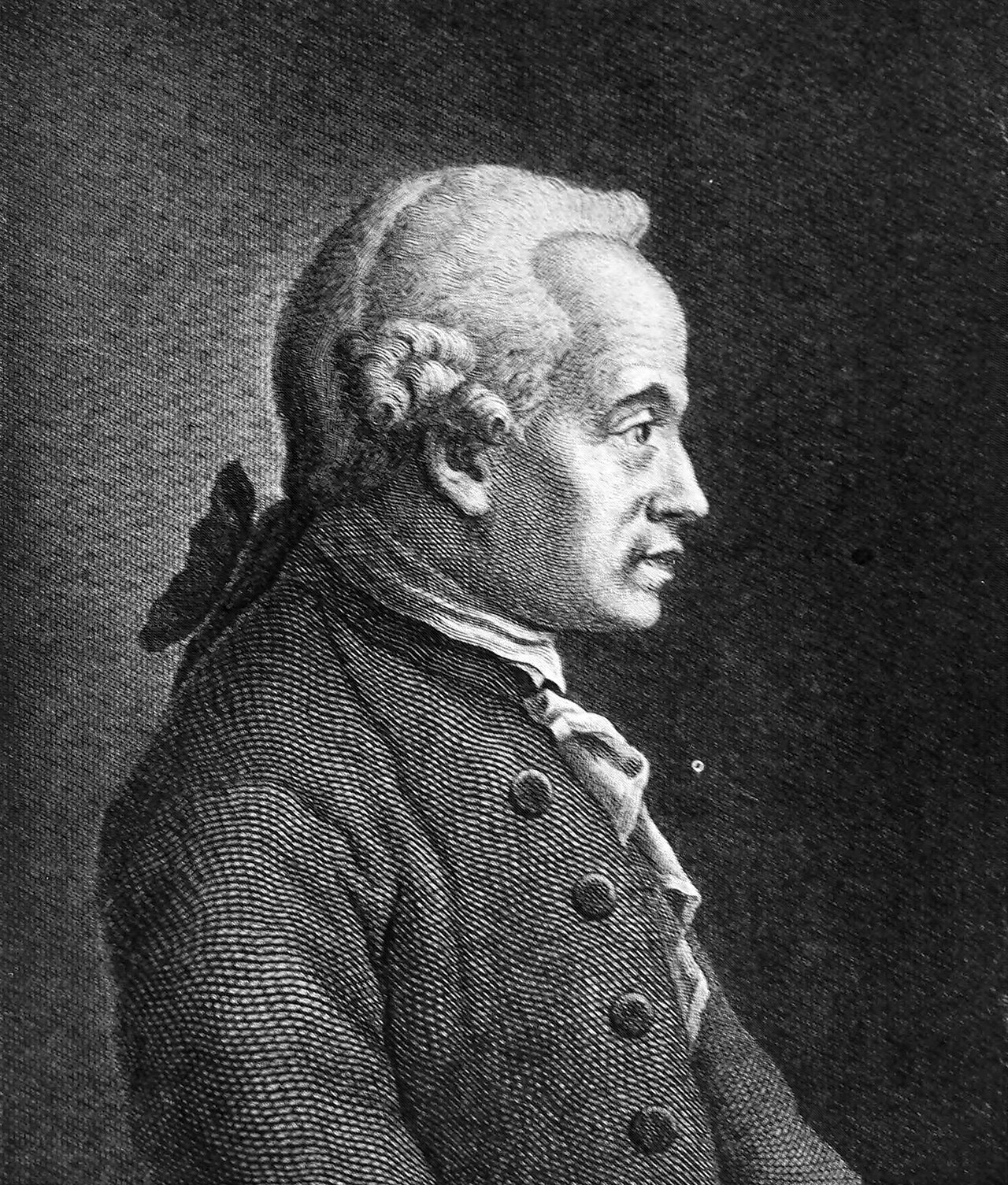
The strict moral architect whose rules challenge the residents to act with universal good will.

WrS.tm.pl · Public domain
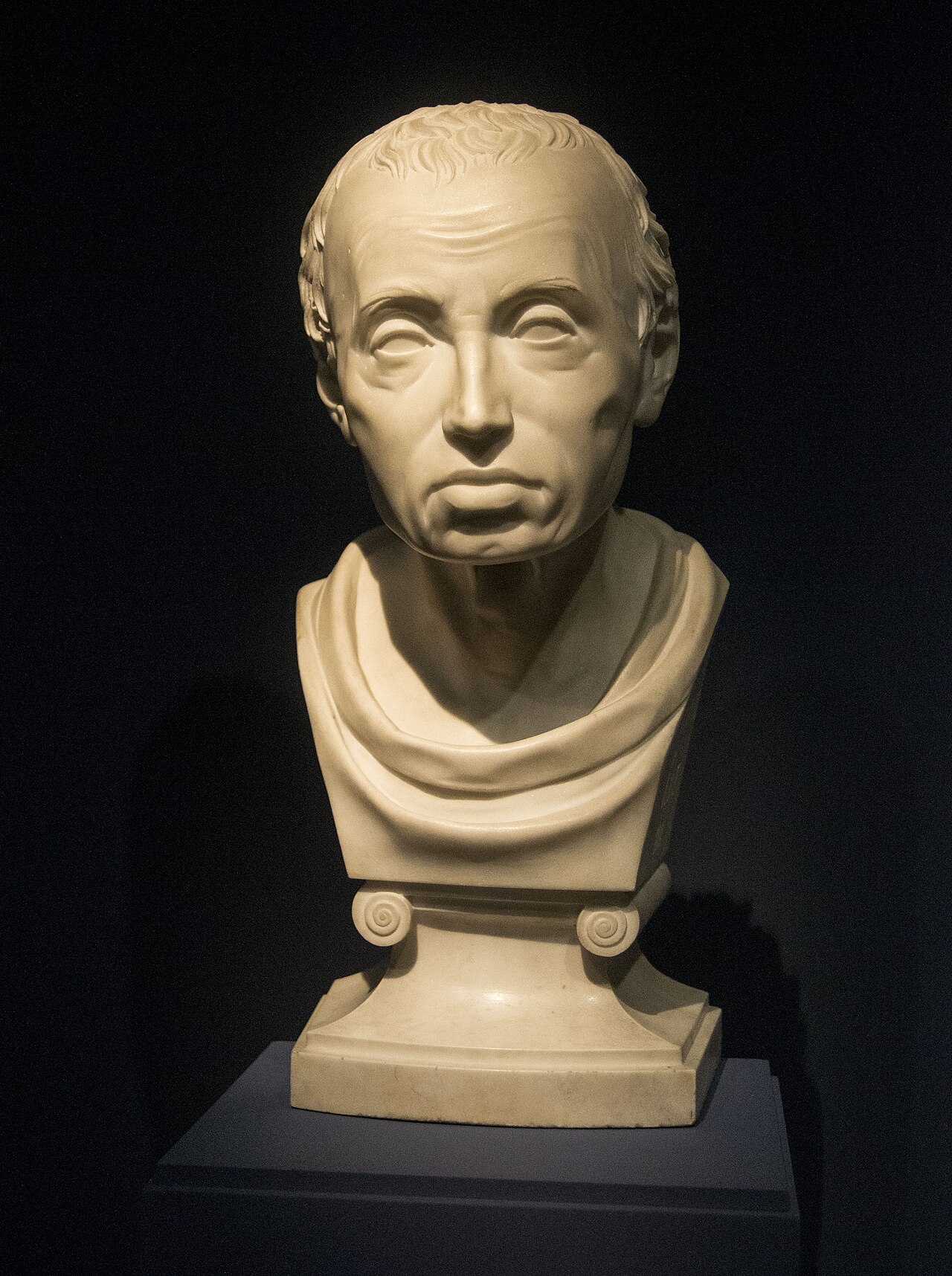
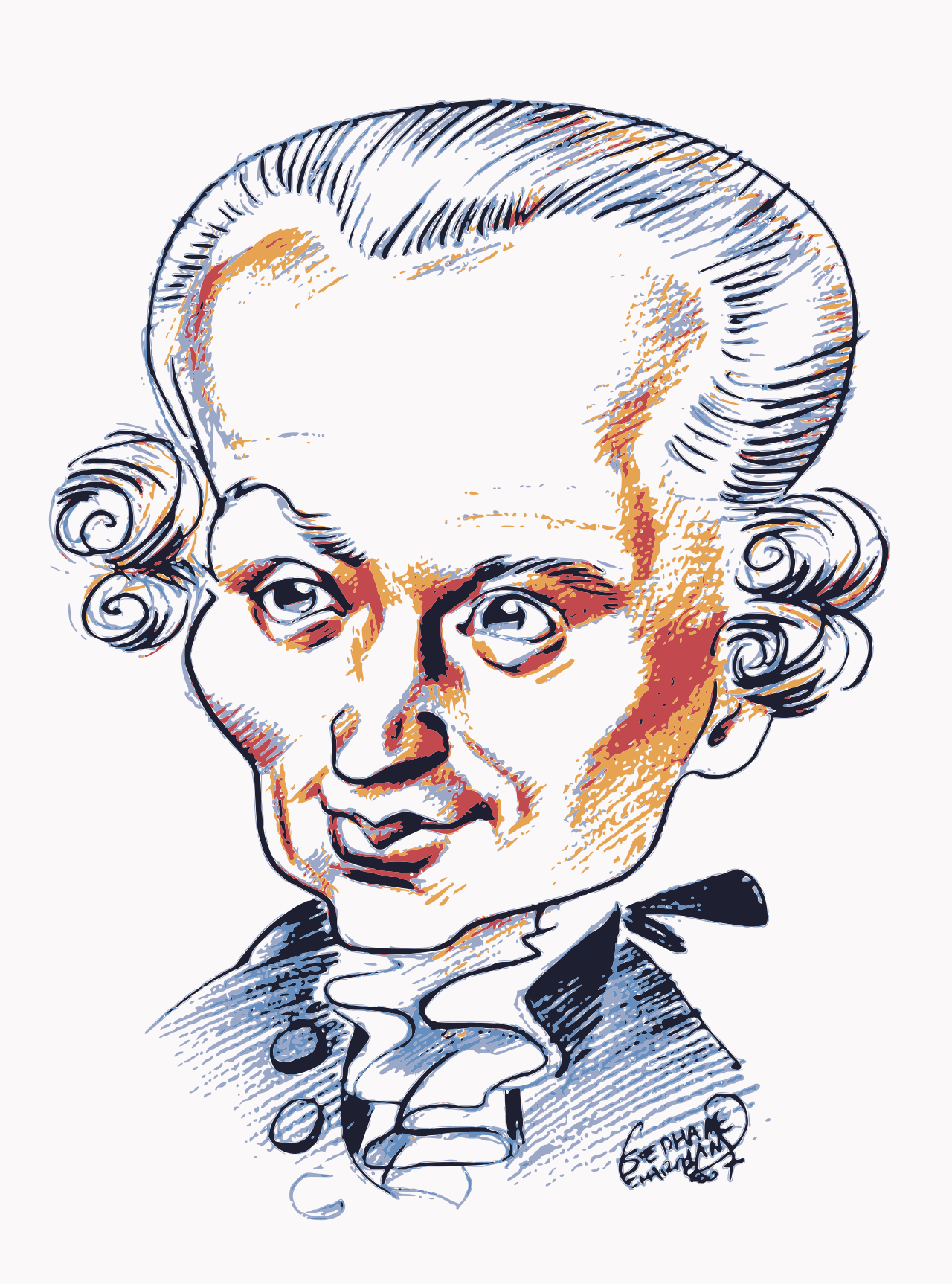
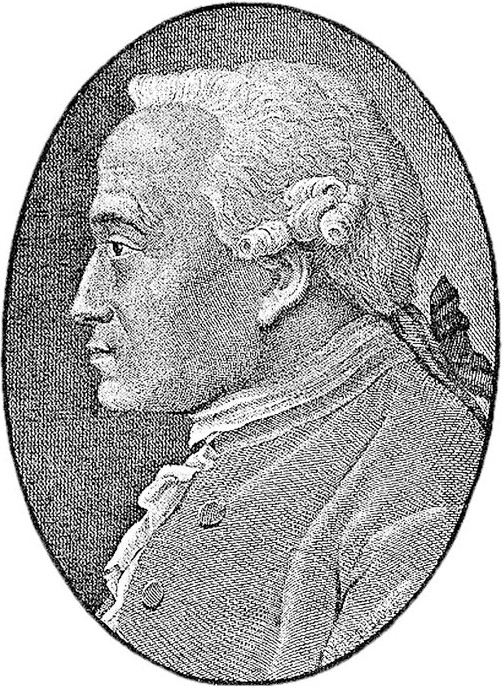
Immanuel Kant (born Emanuel Kant; 22 April 1724 – 12 February 1804) was a German philosopher. Born in Königsberg in the Kingdom of Prussia, he is considered one of the central thinkers of the Enlightenment. His comprehensive and systematic works in epistemology, metaphysics, logic, ethics, aesthetics, political theory, and the philosophy of religion have made him one of the most influential and highly discussed figures in modern Western philosophy.
- Role
- Philosophical Foundation / Ethical Standard
- Affiliation
- The Neighborhood's Curriculum (Post-Season 1)
- Key Concept
- Categorical Imperative
- Status
- Deceased (Historical Figure)
- Primary Influence
- Eleanor Shellstrop and Chidi Anagonye
Lore & Background
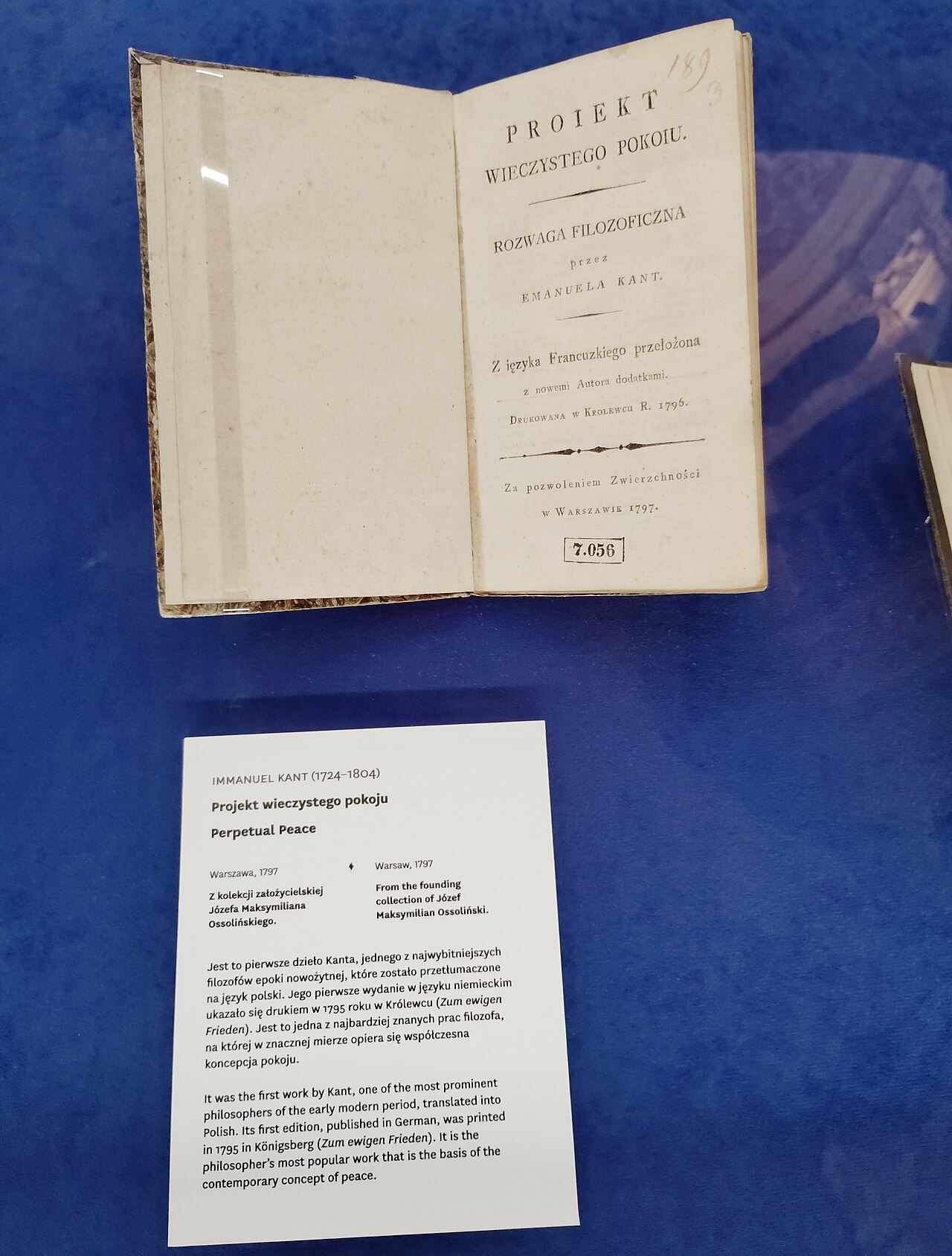
Kant believed that reason is the source of morality and that the categorical imperative binds all rational agents. He believed that aesthetics arises from a faculty of disinterested judgment. Kant hoped that perpetual peace could be secured through an international federation of republican states and international cooperation. Kant believed that true religion is grounded on morality. The exact nature of his religious views is a matter of dispute.
In Their Own Story
Kant was born on 22 April 1724 into a Prussian German family of Lutheran faith in Königsberg in East Prussia. His mother, Anna Regina Reuter, was born in Königsberg to a father from Nuremberg. Kant's father, Johann Georg Kant, was a German harness-maker from Memel. Kant believed his family to be of Scottish descent, although this has not been verified by genealogical research. He was the fourth of nine children (six of whom reached adulthood). The Kant household stressed the Pietist values of religious devotion, humility, and a literal interpretation of the Bible. Immanuel Kant's early education was strict, punitive, and highly disciplinary, with an emphasis on Latin and religious instruction rather than mathematics and science. In his later years, Kant lived a strictly ordered life. It was said that neighbors would set their watches by his daily walks. Kant considered marriage twice, first to a widow and then to a Westphalian woman, but on both occasions waited too long. Although he never married, he nevertheless had a rewarding social life; he was a popular teacher and a modestly successful author, even before commencing his major philosophical works.
Reader's Guide
Kant first attended the Collegium Fridericianum, from which he graduated at the end of the summer of 1740. In 1740, aged 16, he enrolled at the University of Königsberg, where he would later remain for the rest of his professional life. He studied the philosophy of Gottfried Leibniz and Christian Wolff under Martin Knutzen, a rationalist who was also familiar with developments in British philosophy and science and introduced Kant to the new mathematical physics of Isaac Newton. Knutzen dissuaded Kant from the theory of pre-established harmony, which he regarded as 'the pillow for the lazy mind'. He also dissuaded Kant from idealism. His father's stroke and subsequent death in 1746 interrupted his studies. Kant left Königsberg shortly after August 1748; he would return there in August 1754. He became a private tutor in the towns surrounding Königsberg, but continued his scholarly research. In 1749, he published his first philosophical work, Thoughts on the True Estimation of Living Forces (written in 1745–1747). During the Russian occupation of Königsberg during the Seven Years' War (1758–1762), Kant's financial circumstances improved, as he obtained a number of well-paid tutoring assignments from Russian military officers and civil administrators stationed in the city. In December 1758, after the death of Johann David Kypke, Kant petitioned Empress Elizabeth for appointment to the vacant chair of logic and metaphysics at the University of Königsberg, but the position was awarded to another candidate.
Did You Know?
- Kant was baptized as Emanuel, changing the spelling of his name to Immanuel after learning Hebrew.
- Kant's father, Johann Georg Kant, was a German harness-maker from Memel, at the time Prussia's most northeastern city (now Klaipėda, Lithuania).
- Kant believed his family to be of Scottish descent, although this has not been verified by genealogical research.
- In 1756, Kant published three papers on the 1755 Lisbon earthquake, one of the first systematic attempts to explain earthquakes in natural rather than supernatural terms.
- Kant correctly deduced that the Milky Way was a large disk of stars, which he theorized had formed from a much larger spinning gas cloud.
Gallery
Frequently Asked Questions
Who is Immanuel Kant in The Good Place?
He is a historical philosopher whose theories form the basis of the residents' moral education curriculum. Although he never appears on screen, his ethical framework guides Eleanor and her friends through their challenges in the neighborhood.
What specific Kantian concept is used most often?
The Categorical Imperative is frequently invoked by Michael to test if humans can act with universal good will rather than self-interest. This rule requires residents to follow moral duties regardless of personal desire or consequence.
Does Immanuel Kant appear as a living character?
No, he does not physically exist in the show because he is a deceased historical figure from the 18th century. His influence comes entirely through Chidi’s teachings and the philosophical lessons assigned to the group.
Why do Eleanor and Chidi study Kantian ethics?
Chidi relies on these strict moral laws during his classes, making them essential for the residents' attempt to earn points in the afterlife system. Mastering these concepts helps Eleanor overcome her selfish instincts to become truly good according to the neighborhood's rules.
How does Kant’s philosophy impact the story arc?
The rigid nature of his moral laws creates significant conflict for the residents, who struggle to follow universal rules in a flawed world. This difficulty ultimately drives Michael’s experiments and highlights why traditional ethical systems fail without systemic change.
More in Philosophy & Real-World Ethics
Elsewhere in the The Good Place universe
Spotted an error? Know more?
This is a living reference — every entry is fact-audited, and reader corrections feed straight into our audit queue. Suggest an edit · See this site's audit record