
Socrates
The man who asked why, inspiring the neighborhood's greatest ethical crisis.

Yalgin · CC0
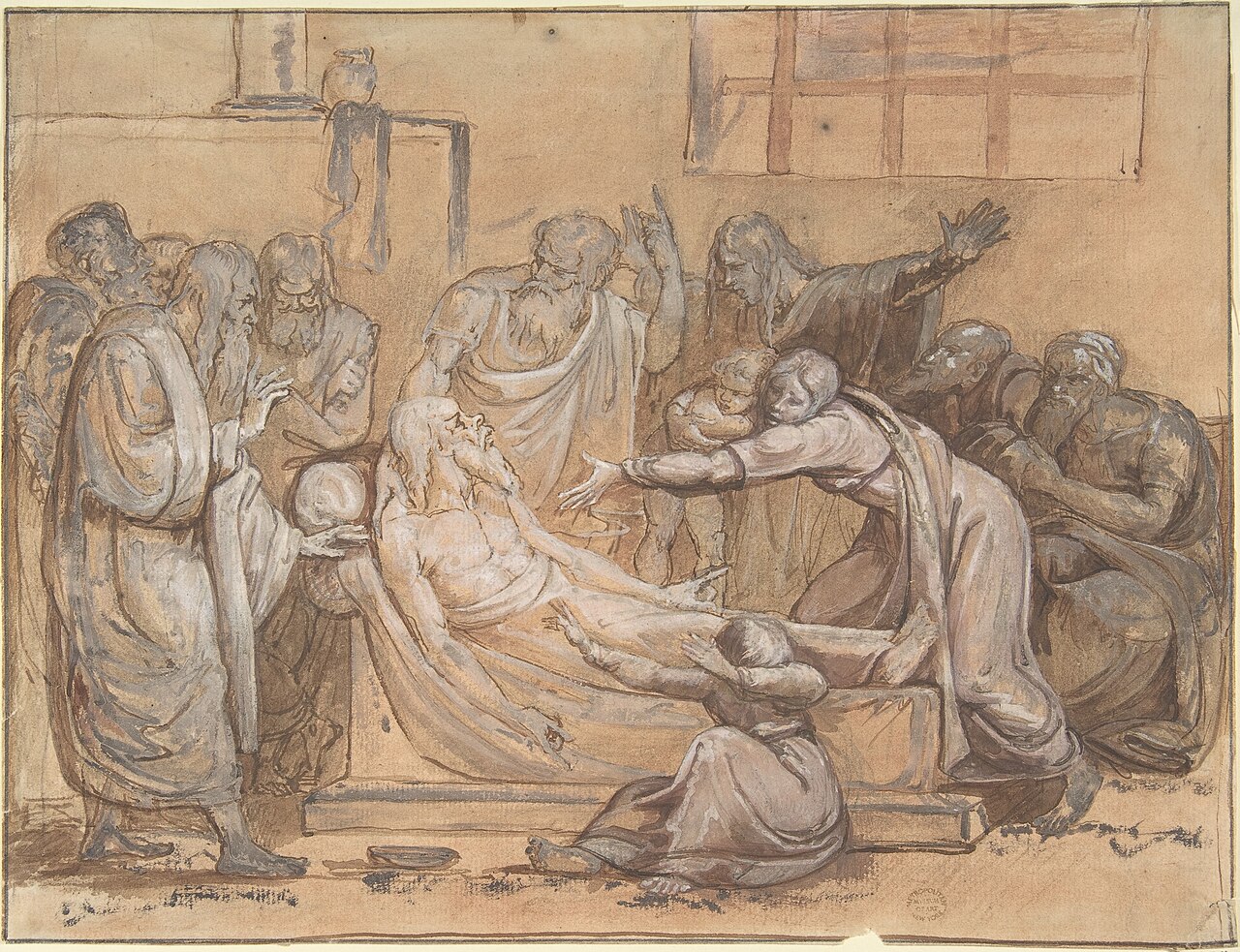
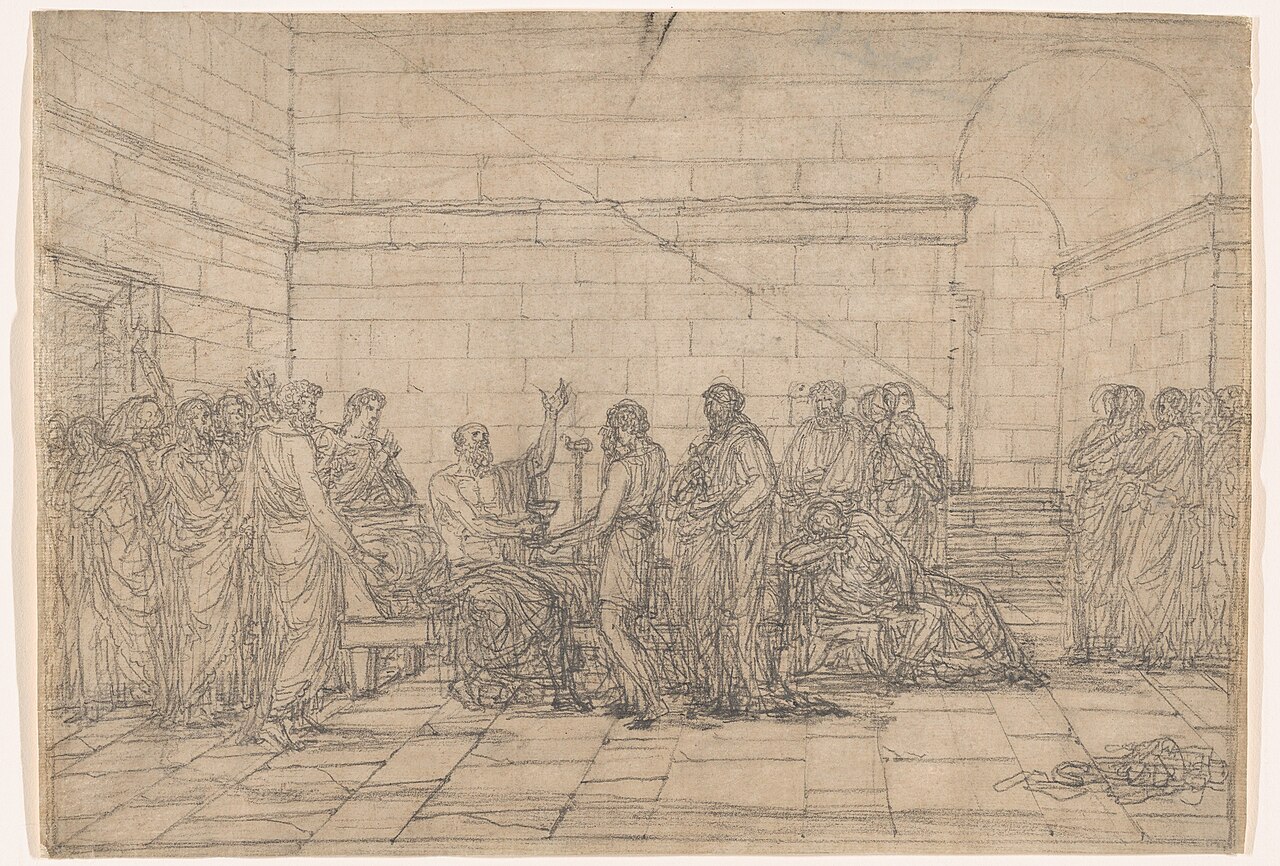
Socrates serves as the foundational philosophical anchor within the ethical curriculum taught by Chidi Anagonye. While he does not appear as a physical resident in the afterlife simulation or the real neighborhood, his methods and historical influence permeate the show's exploration of morality. He represents the critical thinking necessary to deconstruct the flawed points system.
- Role
- Philosophical Precedent
- Affiliation
- Ancient Athens / Chidi's Curriculum
- Status
- Historical Figure (Deceased)
- Mentioned In
- Season 1 Ethics Discussions
- Influence
- Socratic Method of Questioning
Lore & Background
Within the narrative framework, Socrates is invoked primarily through Chidi’s academic expertise. As a professor of ethics on Earth, Chidi frequently cites ancient Greek thinkers to explain modern moral dilemmas to his neighbors. The show treats the historical figure as part of the lineage of human thought that Michael attempted to replicate in his simulation. The absence of Socrates as a physical character is significant; it highlights that wisdom comes from ideas rather than authority figures. When Eleanor and the group begin to question the nature of their existence, they are unknowingly applying the Socratic method. They challenge assumptions about justice, reward, and punishment until the truth of the afterlife's corruption is revealed.
In Their Own Story
Chidi stood before a whiteboard in the neighborhood lounge, marker hovering over a sketch of an ancient amphora. Eleanor leaned forward, frustration etched on her face as she tried to reconcile her past actions with current expectations. He didn't offer a solution, only another question about intent versus outcome. The room felt too bright, the colors too perfect, yet the conversation cut through the artificiality like a knife. In that moment of doubt, Eleanor realized the system wasn't broken because it was new; it was broken because no one had ever truly asked if it made sense.
Reader's Guide
The Good Place utilizes Socratic inquiry to drive its central mystery and character development. Rather than presenting moral answers, the narrative forces characters to question the nature of their reality through relentless interrogation. This mirrors the historical philosopher’s approach of exposing ignorance to find truth. Eleanor’s journey from selfishness to altruism is a practical application of this method; she must constantly examine her own motives rather than accepting surface-level rules or points systems. The show critiques blind faith in systems, much like Socrates challenged Athenian democracy and religion. When the characters discover that their neighborhood is a simulation designed by Michael, it validates the philosophical stance that truth requires skepticism of authority. The ethical framework shifts from following dogma to understanding context, echoing the idea that virtue comes from knowledge rather than obedience. Ultimately, the series argues that moral growth happens through dialogue and error correction. By embedding these ancient concepts into modern sitcom tropes, the story demonstrates that philosophy is not abstract but essential for navigating a broken world. The characters succeed only when they stop accepting authority and start asking why, proving that an unexamined life is indeed not worth living in any dimension.
Did You Know?
- Chidi references Socrates frequently when explaining the history of moral philosophy to Eleanor.
- The show uses his method to expose Michael's deception regarding the Good Place simulation.
- Socrates never appears as a physical resident or demon within the afterlife realms shown.
- His concept of the unexamined life parallels the characters' struggle for self-awareness.
Gallery
Frequently Asked Questions
Who is Socrates in the context of The Good Place?
He is an ancient Greek philosopher referenced frequently during Chidi's ethics classes. His historical teachings form the basis for many moral discussions among the residents.
Does Socrates appear as a physical character in the simulation?
No, he does not exist as a physical resident within the neighborhood or the afterlife systems. He is only present through Chidi's curriculum and historical mentions.
What role does Socrates play in the show's philosophy?
Socrates represents the critical thinking required to question the flawed points system. His method of questioning encourages characters to deconstruct moral assumptions.
When are his ideas introduced to the main group?
His influence is primarily felt during Season 1 ethics discussions led by Chidi Anagonye. These lessons help establish the foundational ethical framework for the group.
Why is Socrates considered important to the plot?
The narrative uses him to inspire the neighborhood's greatest ethical crisis through inquiry. He symbolizes the necessity of asking why rather than accepting rules blindly.
More in Philosophy & Real-World Ethics
Elsewhere in the The Good Place universe
Spotted an error? Know more?
This is a living reference — every entry is fact-audited, and reader corrections feed straight into our audit queue. Suggest an edit · See this site's audit record